ARION TRADE

A measured 2026 harvest reshapes bulk wine supply

The 2026 harvest has come in lighter than the five-year average across much of southern Europe — and for buyers of bulk wine, the consequences are already showing up in the spreads.

Across Greece, Italy and Iberia, a cool spring and a dry, compressed ripening window left growers picking smaller volumes of riper fruit. Quality, by most early accounts, is good. Quantity is another matter: preliminary figures point to yields several percentage points below the recent norm, with the sharpest shortfalls in the warmer inland regions.

For a trading desk, a year like this is less about drama and more about positioning. When supply tightens, the market does not move uniformly — it fragments. Premium parcels firm quickly while generic volume lags, and the gap between the two is where careful sourcing earns its keep.

What a shorter harvest means for price

In practical terms, buyers who locked in volume early are sitting comfortably. Those still in the market are finding that the headline price tells only part of the story; availability of a specific style, colour or analysis matters far more than a per-litre figure quoted in isolation.

In a short year, the value isn’t in chasing the lowest price — it’s in securing the right parcel before someone else does.

We are advising buyers to think in quarters rather than spot purchases, and to be specific early: agreeing colour, grade and analysis up front lets us hold parcels with confidence and avoid the scramble that defines the back half of a tight season.
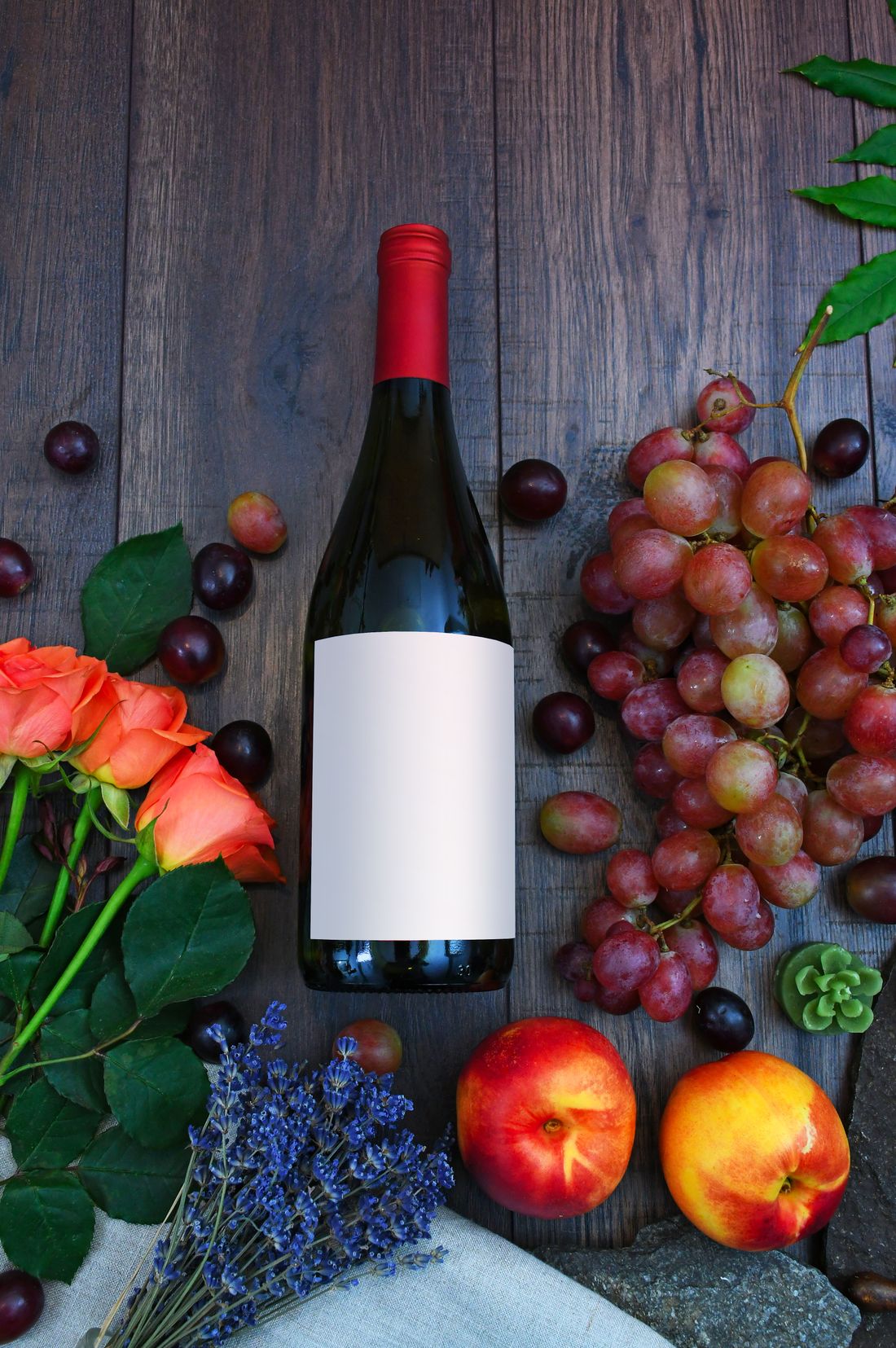
Ripe vine grapes at harvest
Riper fruit, smaller volumes — the signature of the 2026 picking window.

None of this points to a difficult year — only a more deliberate one. For buyers who plan ahead and sellers with quality to offer, a measured harvest is exactly the kind of market where a steady desk is worth the most.

Vinegar demand steadies as food producers reformulate

Cleaner labels are reshaping the vinegar trade, and steady demand is quietly supporting wine- and spirit-vinegar volumes even as other commodity markets swing.

As food manufacturers reformulate away from synthetic preservatives, fermented acidity from wine and spirit vinegar is stepping in as a natural-label alternative. The volumes involved are modest next to bulk wine, but the demand curve has been unusually consistent quarter over quarter.

For buyers, that steadiness is the story: vinegar is one of the few lines on the desk where planning a year ahead is genuinely straightforward.

Reading the must market: concentrated vs rectified

A short primer on where concentrated and rectified grape must diverge — and how to brief a supplier so you get the right one the first time.

Concentrated grape must (CGM) keeps its natural colour and character, making it the default choice for wineries enriching a blend. Rectified concentrated must (RCGM) strips both away, leaving a neutral sweetener suited to food and beverage applications where colour would be a liability.

The two are not interchangeable, and the most common sourcing mistake we see is a buyer specifying “grape must” without stating which. Naming the grade up front — and the target Brix — is the single fastest way to avoid a re-negotiated contract.

Currency, freight and the true landed cost of bulk wine

The per-litre quote is rarely the real number. We break down the line items that decide what a shipment of bulk wine actually costs, landed.

Beyond the ex-cellar price, currency movement between quote and payment, freight and fuel surcharges, insurance, duties and destination handling can add a meaningful percentage to the number a buyer first sees. None of these are hidden — they are simply easy to under-budget if a quote isn’t read as landed cost from the outset.

We quote landed wherever we can, precisely so a buyer’s budget and our contract are talking about the same number.